The best lighting in a retail store is neither the brightest ceiling nor a single type of lamp. It is a carefully layered combination that guides customers, makes the products look attractive, and keeps the space comfortable. This guide explains how retail lighting truly affects sales, which areas need which type of lighting, and how track lights and recessed downlights should be planned together. It is for shopkeepers, designers and contractors to plan a new store or lighting upgrade.
Lighting is one of the tools that retailers use to influence purchasing behavior. Bright stores look cleaner, products look more sought-after, and customers stay longer. Good retail lighting can serve three purposes simultaneously: it can safely illuminate the entire space, highlight the products you want to sell, and create an mood that matches your brand.
Professional retail lighting is based on the working together of two types of lamps. Each one has a clear function. Only when both are used well will the store feel balanced.
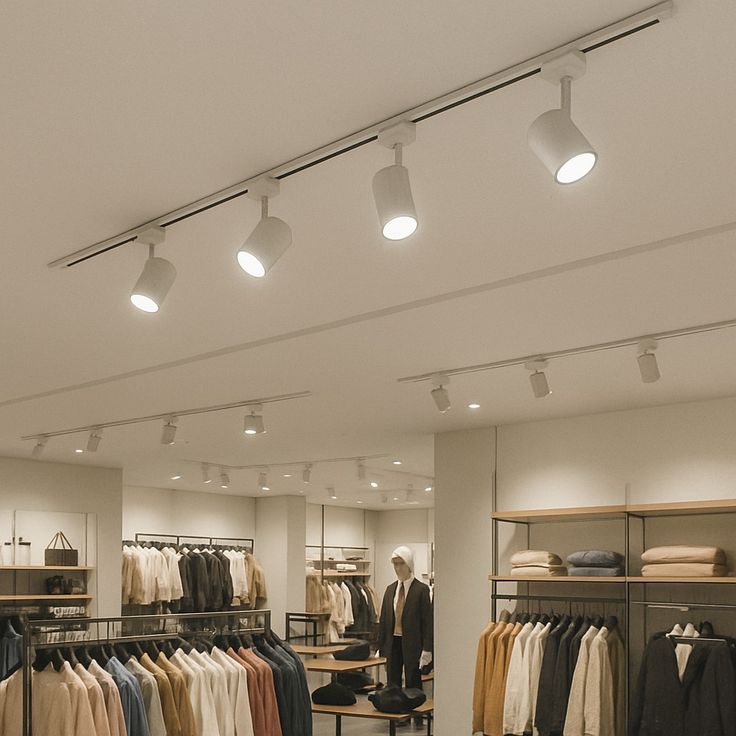
Track lights are key and display tools in retail stores. There is a guide rail on the ceiling, and the adjustable lamp heads can be aligned with Windows, shelves, display tables and featured products. Because each lamp can be realigned, the light can change its position whenever the display changes.
The embedded downlight is a uniform and quiet base layer. They are flush with the ceiling, providing uniform overall brightness for the corridors, fitting rooms and the entire sales floor. They ensure that the entire store gives people a bright, safe and welcoming feeling.
In addition to choosing the type of lamps, these lamp parameters also determine whether the lighting is professional.
Color temperature determines mood. The warm white of 3000K is suitable for boutiques, jewelry stores and cafes, giving a comfortable and upscale feeling. In 4000K neutral white, it feels clean and clear in fashion, electronics and supermarkets. Accurate product color is very important. Maintain consistency throughout the store; Mixing color temperatures randomly looks very messy.
For retail, please select CRI 90 or above. A low color rendering index makes fabrics look dull, food look dull and skin look pale. High CRI makes the products look like they really are, which directly increases the confidence to purchase.
Strong light can affect the shopping experience. Select downlights with deep baffles or honeycomb optics and align the track lights at a position far from the customer's line of sight. Glare-free lighting makes people feel comfortable and prevents reflections from glass, screens and smooth displays.
Use adjustable track lights to target featured products, mannequins or display props. In this area, your lights should be the brightest and most eye-catching.
The sales floor needs even ambient light from recessed downlights for comfortable movement, plus track lights above shelves and racks to highlight merchandise. Downlights keep the floor bright and clean; track spots add contrast so products pop.
On the shelves and wall racks, track lights are aimed at each row of products to prevent dark gaps.
The fitting room determines the success or failure of clothing sales. Use soft, even recessed downlights with a high color rendering index and pleasing color temperature so that the clothes look very suitable for the body. Avoid strong direct light, as it can create unpleasant shadows on your face.
The lighting on the counter should be clear but not dazzling. Recessed downlights provide uniform working light, and track lights can highlight counter displays or brand areas.
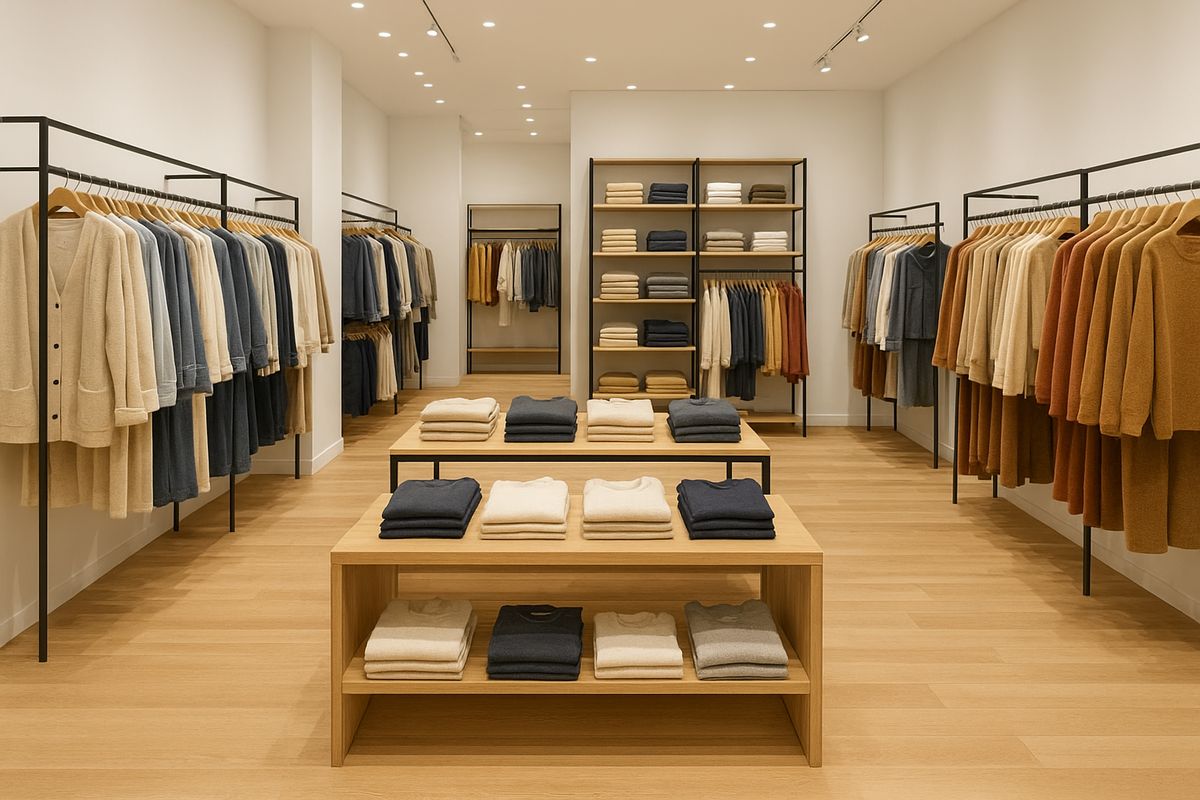
The best lighting in a retail store is not a single lamp, but a layered system. The embedded downlight creates a uniform and comfortable environment with a base. Track lights add focus, drama and flexibility, highlighting your product. If you are planning to open a new store or upgrade an existing one, please contact our team to tailor a lighting layout, product selection and quotation for your store.


